
Tax relief on all-on-4
Revenue gives tax relief at 20%, your standard rate, on non-routine dental treatment, with a Form Med 2 from your dentist. Implants, with bone grafting, are listed as non-routine. Providing or repairing dentures is listed as routine, with no relief. Your dentist's Med 2 shows what was done, and Revenue decides the claim.
What Revenue lists, how a full-arch fee may be treated, and how to claim with a Form Med 2.
Free to ask, nothing to sign. One registered dentist sees your request, nobody else.
- 20%your standard rate of tax
- €1,300on €6,500, if it all qualifies
- Med 2from your dentist
- 4 yearsto claim back
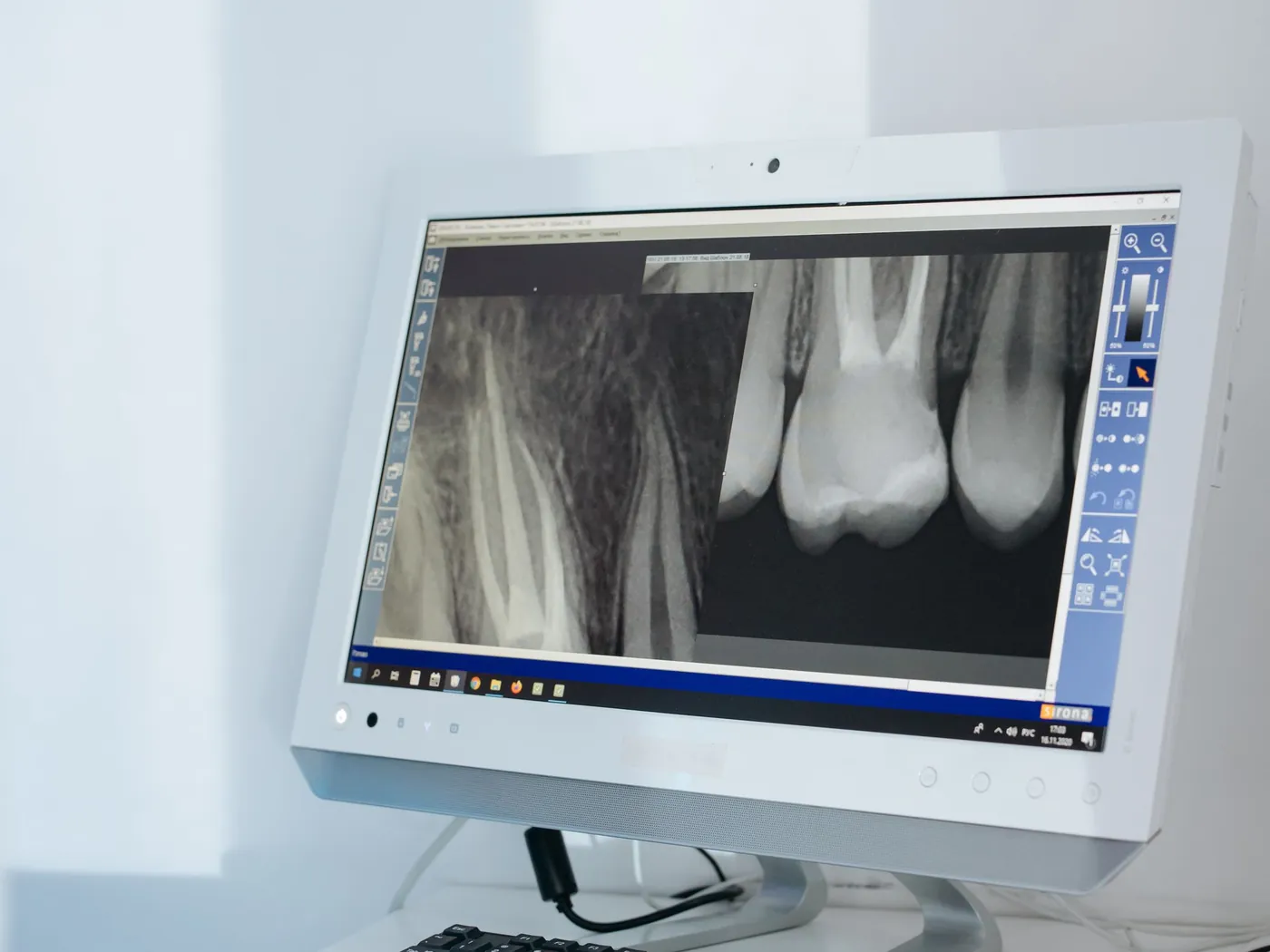
What Revenue lists
Non-routine: relief
- Relevant to a full arch
- Implants (including bone grafting and bone augmentation), crowns, bridgework
- Also listed
- Root canal treatment, orthodontics, gum treatment
- How
- Claimed under the Non-Routine heading with a Form Med 2
Routine: no relief
- Relevant to a full arch
- Tooth extraction, providing or repairing artificial teeth or dentures
- Also listed
- Fillings, scaling and cleaning
- How
- Not claimable
Price my new teeth
Three taps, and our range for a full arch appears as you go. Your name and number come last, and only if you want a dentist to ring you.
Own teeth failing, upper arch, elsewhere in Ireland: €6,500 to €25,000 an arch for all-on-4.
How the figure is worked out
It is our price guide for one arch of fixed teeth on four implants in Ireland: the lowest fee and the highest. What a fee covers differs from practice to practice, most of all the temporary teeth, the sedation and what the final bridge is made of. Only a dentist can say whether a full arch on implants suits you, and only after an examination and a scan. Treat the range as a planning figure. The dentist gives you the real price in writing.
What that means for a full arch
The implants sit clearly in the non-routine list. Extractions and dentures sit in the routine list. Revenue's page does not name a full-arch bridge on implants, so how the fee is described on the Med 2 matters. Ask your dentist before treatment how they will complete it, and check with Revenue if you are unsure.
How to claim
- Your dentist completes a Form Med 2, normally after treatment, and a separate one for each year if treatment runs over more than one.
- Add the amount to your health expenses claim under the Non-Routine heading.
- Keep the Med 2. It is a receipt, not the claim form, and Revenue may ask to see it.
- Relief is at your standard rate, 20%.
What you cannot claim
- Anything insurance has paid or will pay.
- Anything the HSE or another public body has paid.
- Anything paid back to you in another way, such as compensation.
Treatment abroad
Revenue allows the claim for non-routine treatment outside Ireland if the dentist is a qualified dentistry practitioner under that country's laws and completes a Form Med 2.
More on a full arch
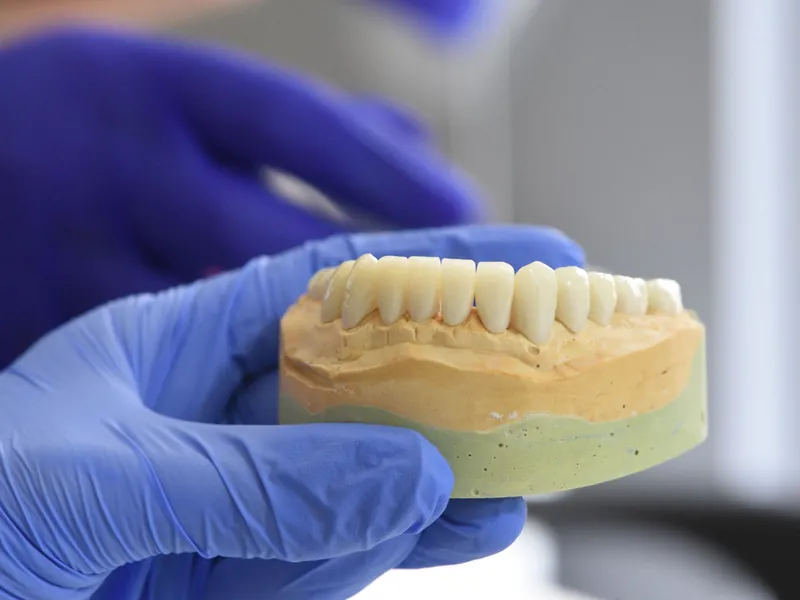 Full mouth dental implantsEvery tooth in a jaw replaced by one fixed bridge on implants. €6,500 to €25,000 an arch.
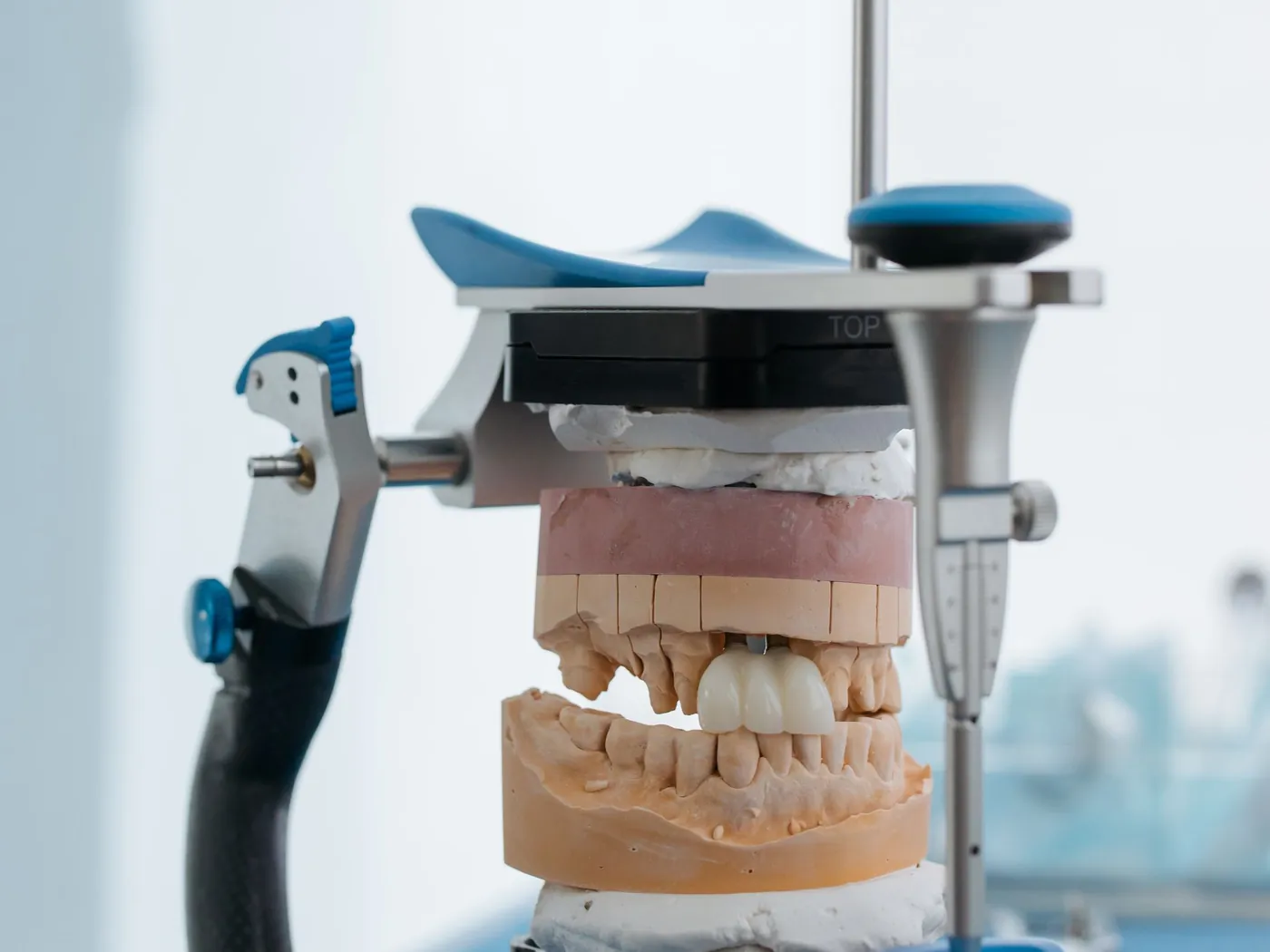 All-on-6The same fixed arch carried on six implants instead of four. €7,000 to €13,200 an arch.
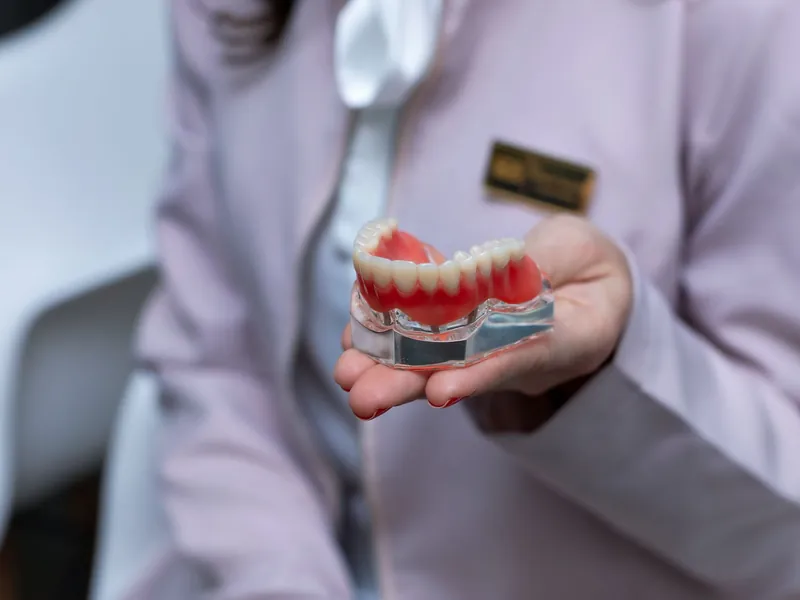 Implant denturesA denture that clips onto two to four implants and comes out to clean. €3,295 to €6,490 an arch.
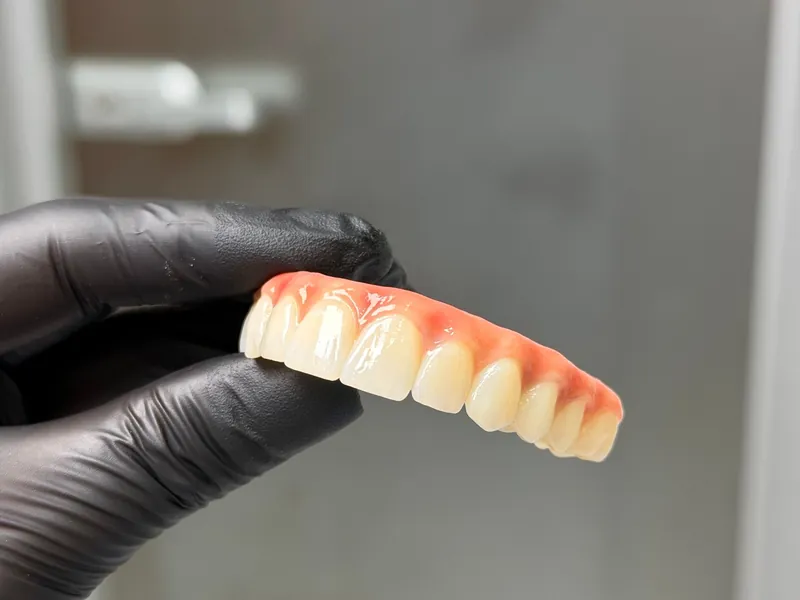 Fixed or removableTeeth only a dentist can take off, against a denture you take out yourself. What each asks of you.
 Teeth in a dayFixed temporary teeth on the day the implants go in, where the implants are steady enough to take them.
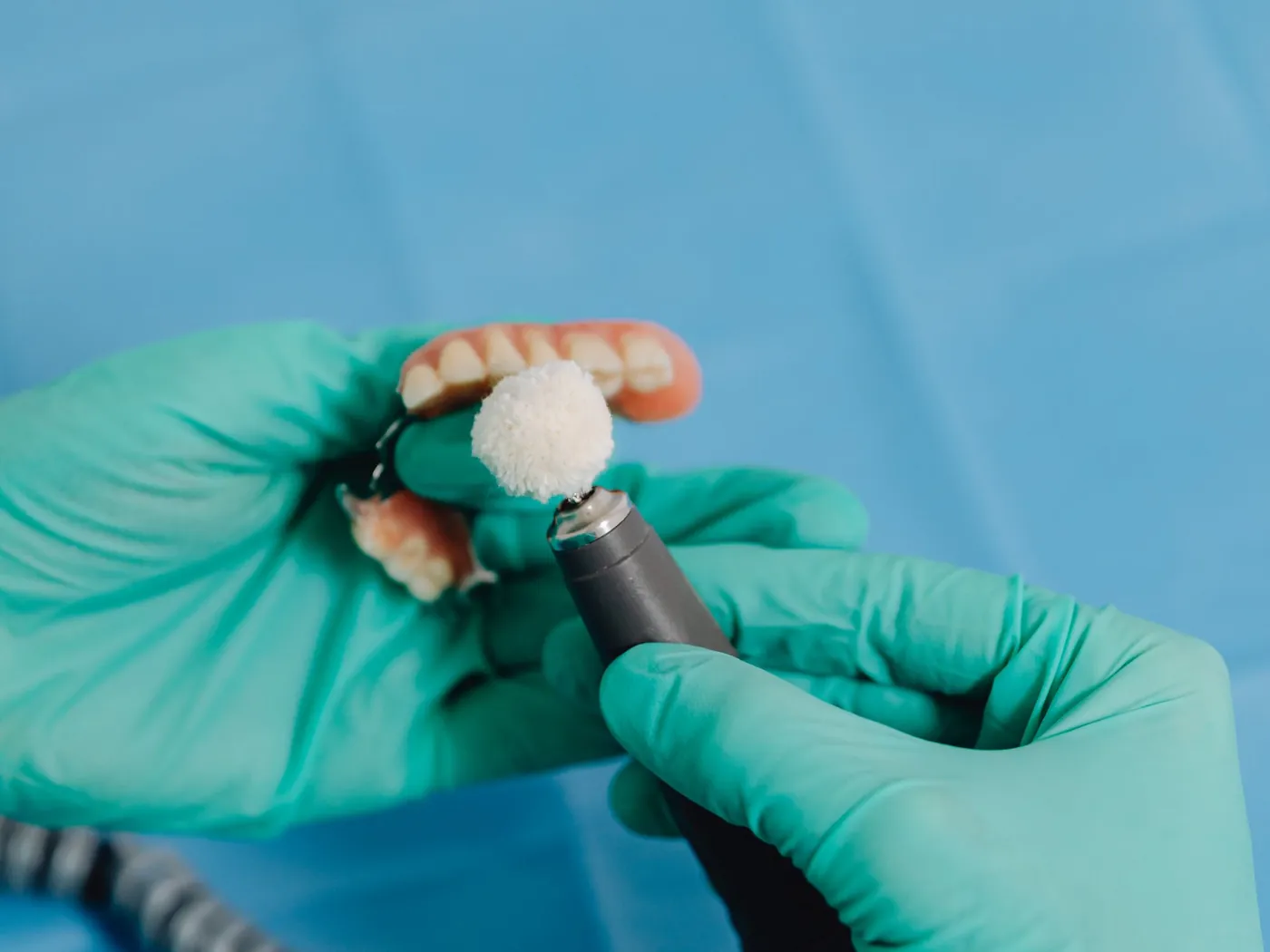 The final bridgeWhat the permanent teeth are made of, and why a figure can move by thousands. €8,750 to €14,400 for the bridge alone, before the implants.
Before you book a consultation
Can I claim tax back on all-on-4?
Revenue gives relief at the standard rate, 20%, on non-routine dental treatment, claimed with a Form Med 2 from your dentist. Revenue lists implants, with bone grafting, as non-routine. It lists providing dentures as routine, with no relief. How a full-arch fee appears on the Med 2 is for your dentist, and Revenue decides the claim.
How much tax back on all-on-4?
20% of what qualifies. On €12,000, that would be €2,400 if the whole amount counts.
Are implant dentures covered?
Revenue lists implants as non-routine and dentures as routine. The Med 2 shows which part is which.
Do I send the Med 2 to Revenue?
No. Keep it in case Revenue asks for it.
How far back can I claim?
Revenue's four year rule applies.
Everything on this site
Options for a full arch
Costs and guides
Your arch, priced in three taps
Say what you have now, which arch and the nearest city. For a firm figure in writing, your request goes to a single Dental Council registered dentist who places implants.